The Ultimate Review #4

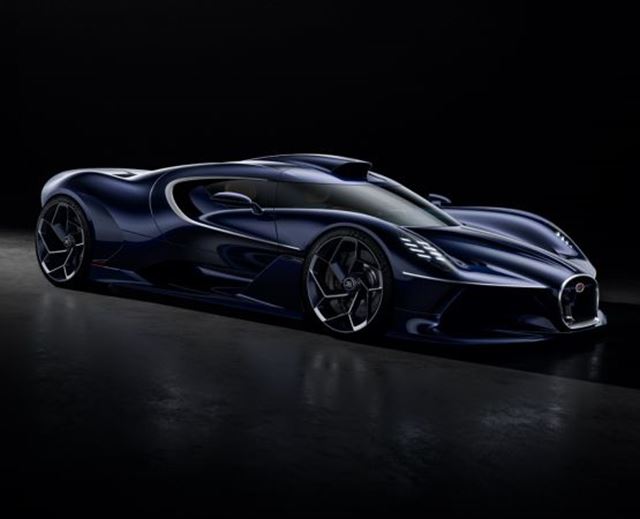
Bugatti Destrier - the Bolide reimagined as a work of art
Beneath the bespoke carbon-fibre bodywork remains the formidable 8.0-litre quad-turbocharged W16, producing 1,600 PS. The mechanical foundation of the Bolide is therefore preserved, but its character is transformed: less focused on downforce, more on the purity of its forms and the presence of the car itself.
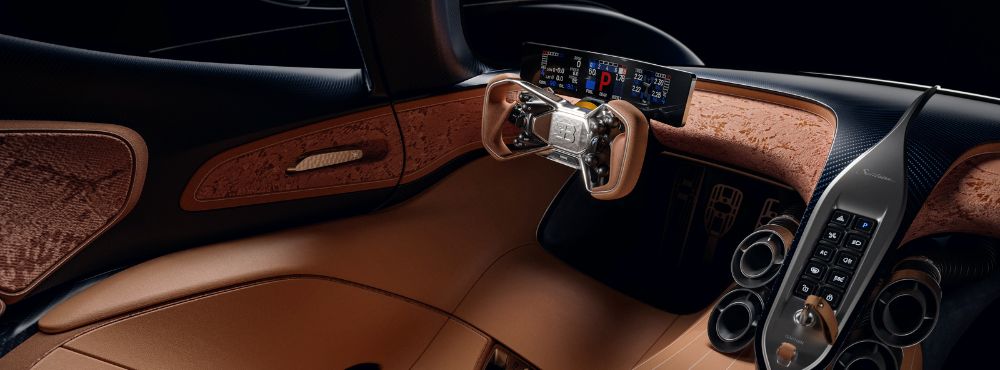
Inside, the uncompromising racing cockpit takes on an entirely different character. Leather, nubuck and three-dimensional knitted textiles replace the raw atmosphere of a track car, with every material and detail selected specifically for its owner. The result feels closer to a haute couture atelier than a conventional hypercar interior.
With the Bugatti Destrier, the Solitaire programme demonstrates another dimension of exclusivity. A unique interpretation of one of Bugatti’s most extreme machines, it brings together extraordinary engineering, bespoke craftsmanship and a design conceived to remain relevant long after its debut.

Lamborghini Revuelto SV - the V12, taken to its most extreme expression
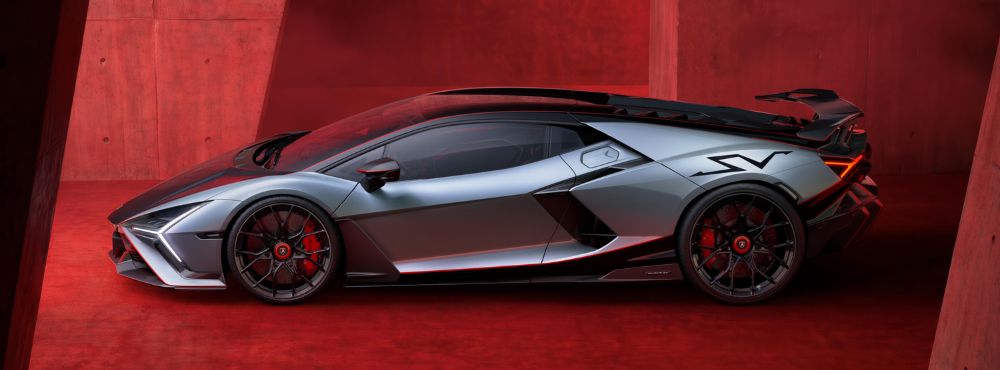
At its heart, the naturally aspirated 6.5-litre V12 develops 825 CV, joined by three electric motors to deliver a combined 1,065 CV. Rather than softening the character of the twelve-cylinder engine, electrification adds another layer of immediacy, complementing its ability to rev to 9,500 rpm. Four-wheel drive, Bridgestone Potenza Race R tyres and CCM-R Plus carbon-ceramic brakes further sharpen the connection between driver and machine.
Inside, Lamborghini’s “Feel Like a Pilot” philosophy brings the focus firmly towards the driver. Carbon elements, racing-inspired seats and motorsport-derived controls create an environment that feels purposeful without losing the theatrical character expected of a Lamborghini. The new Pilota function, developed with input from Lamborghini’s GT3 racing programme, adds another level of control for those who want to explore the car’s abilities on track.
Limited to 1,963 examples, the Revuelto SV continues the Super Veloce lineage that began with the Miura SV more than five decades ago. With 1,065 CV, a 0–100 km/h time of 2.4 seconds and a top speed beyond 345 km/h, it brings together Lamborghini’s V12 heritage, hybrid technology and uncompromising design in one of the marque’s most focused interpretations yet.

McLaren McL 6GT - The Dream, Reimagined
Its philosophy is firmly centred on the driving experience. For the first time since the 1992 McLaren F1, a McLaren road car features a genuine manual gearbox, paired with an internal-combustion V8 and rear-wheel drive. Hydraulic steering, machined aluminium controls and a carefully engineered gear lever reinforce the car’s tactile, mechanical character. Even the three-dimensional ‘Speedy Kiwi’ embedded into the base of the selector pays homage to McLaren’s origins while adding a distinctly personal touch.
Visually, the McL 6GT translates the spirit of the M6GT into a thoroughly contemporary form. Its exceptionally low and wide stance recalls the Can-Am prototypes of the 1960s, while its clean surfaces flow uninterrupted from the plunging nose to the distinctive Kammback tail. The roof appears to merge seamlessly into the rear bodywork, creating an almost monolithic silhouette. The ‘Racing Loop’, inspired by the original M6GT’s rear lights, becomes an integral part of the exterior design, while Bruce McLaren’s signature and the ‘Speedy Kiwi’ discreetly reinforce its lineage.

The same pursuit of purity continues inside, where quilted upholstery, digital instrumentation and exposed carbon fibre bring heritage and modernity together. Nothing appears superfluous; every detail is shaped around the driver and the experience behind the wheel.
At the core of the McL 6GT is another defining McLaren principle: lightweight engineering. An ultra-lightweight carbon-fibre monocoque is paired with an entirely carbon-fibre body, making weight reduction not simply a performance advantage, but a fundamental part of the car’s character.
Still presented as a concept, the McL 6GT previews a production model expected in 2028. It could mark the beginning of a new chapter for McLaren: one defined by greater exclusivity, mechanical purity and emotional engagement, finally giving Bruce McLaren’s unfinished road-car dream a form worthy of the modern era.
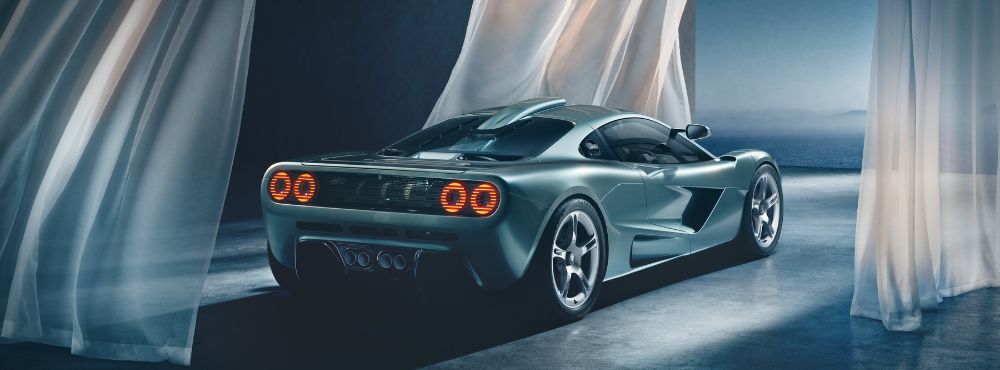
Gordon Murray SV S1 - The Unofficial Heir to the McLaren F1
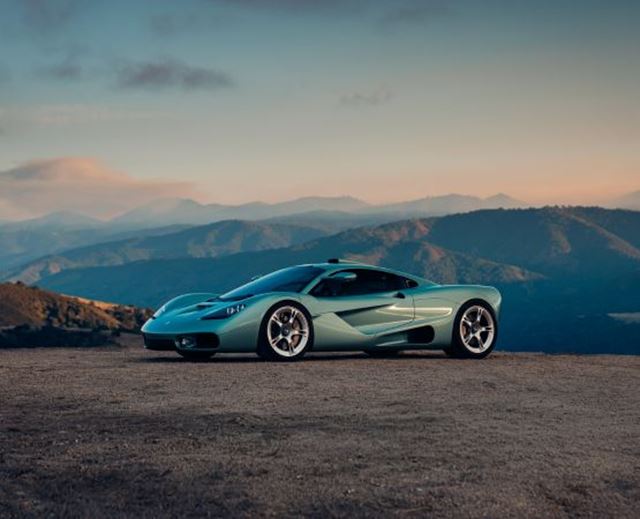
That connection is written into its very architecture. The central driving position, three-seat layout, naturally aspirated V12, six-speed manual gearbox and relentless focus on low weight all echo the principles that made the F1 so distinctive. But where the S1 LM embraces the intensity of a road-legal racing machine, the S1 takes a more restrained approach. Its bodywork is entirely new, with the fixed rear wing, extended front splitter and deep side skirts removed to reveal cleaner, more timeless proportions. An active rear aerodynamic system remains discreetly integrated into the body, shifting the emphasis towards mechanical grip, balance and confidence rather than outright downforce.
At its heart sits a 4.2-litre naturally aspirated Cosworth V12, developing up to 690 PS at a remarkable 12,100 rpm. Derived from the same engine lineage as the S1 LM, it combines competition-grade internals with a broader torque curve suited to real-world driving. The six-speed manual gearbox retains the tactile, rifle-bolt shift action associated with Gordon Murray’s cars, while a taller sixth gear allows the S1 to settle into long-distance cruising.
The chassis follows the same philosophy. The S1 retains the lightweight suspension architecture and wide stance of the S1 LM, but its ride height is raised by 10 mm and the damping recalibrated for greater compliance. Carbon-fibre bodywork and lightweight components keep the target weight below that of the T.50, despite a more luxurious cabin and increased acoustic refinement.
Inside, the central driving position remains the defining feature. Three seats, a low scuttle and a driver-focused layout are combined with premium leather, bespoke fabrics and greater touring comfort. The result is not simply a softer S1 LM, but a different interpretation of Gordon Murray’s idea of Driving Perfection.
Limited to just 64 examples, the S1 occupies a unique place in the modern supercar landscape. It does not claim to replace the McLaren F1, nor does Gordon Murray official